Alumna Tina Naami transforms disability inclusion through research, leadership, and action
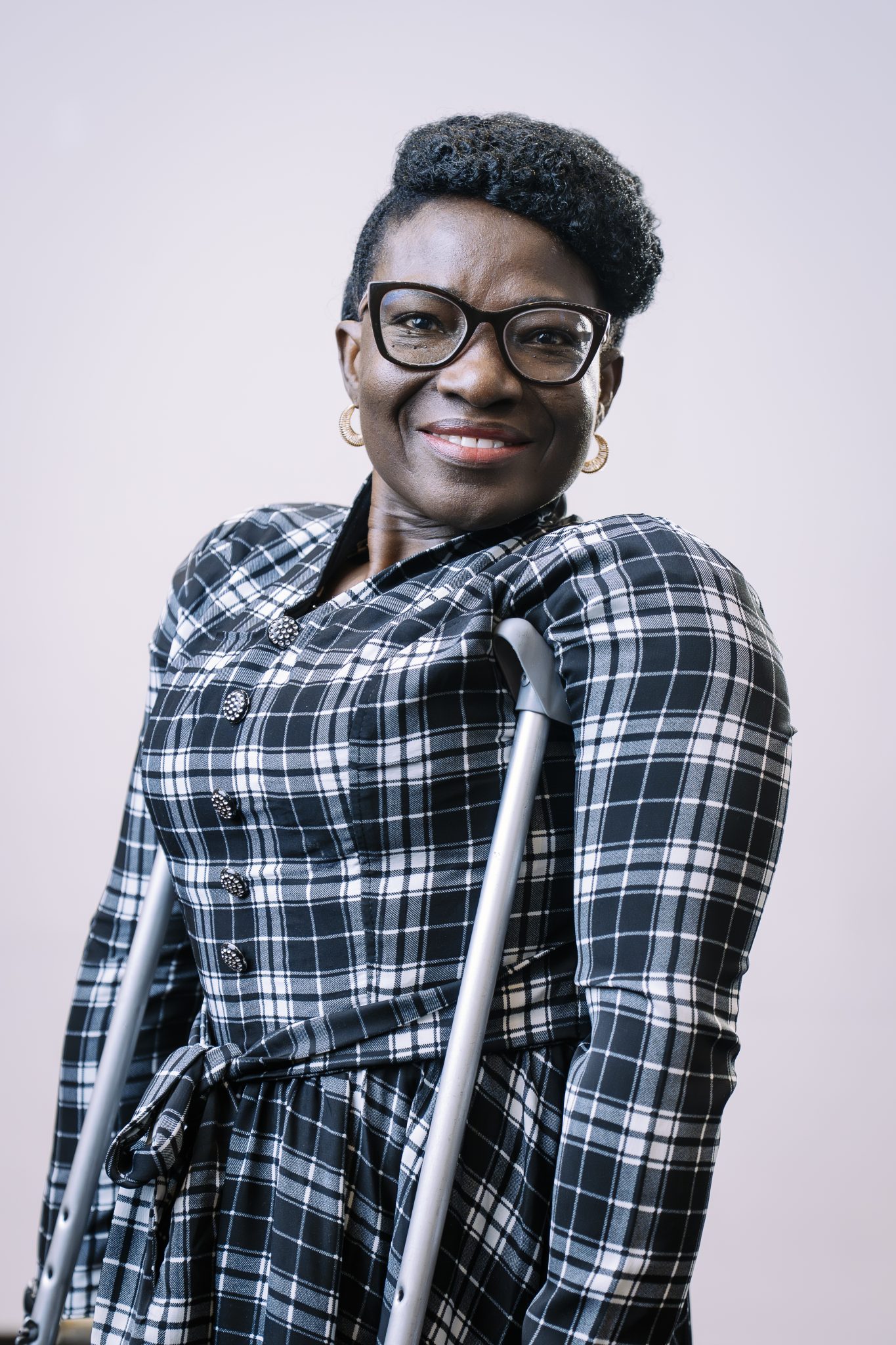
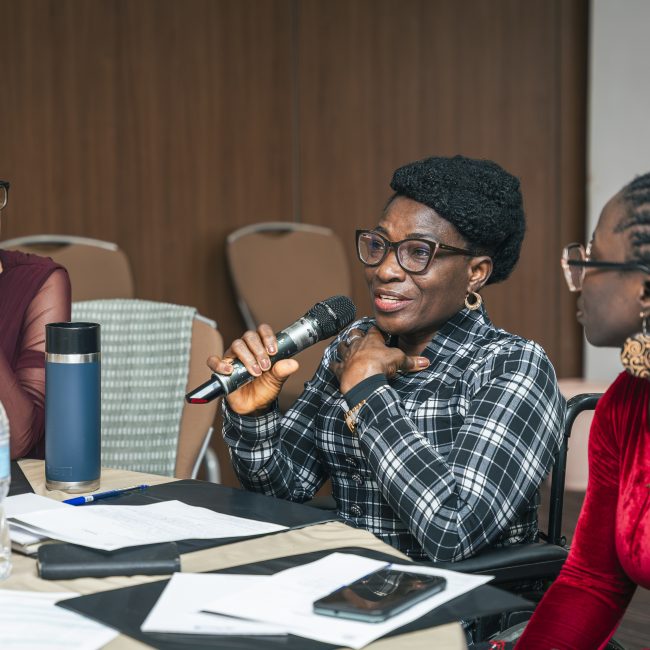
For Fellowship alumna, Prof. Augustina (Tina) Naami, disability inclusion is more than an academic field. It is a lifelong commitment to ensuring that people with disabilities can participate fully and equally in society. As an Associate Professor of Disability and Social Work and two-term former Head of the Department of Social Work at the University of Ghana, she combines teaching, research and public service to champion accessibility, inclusive education, and social justice across Ghana.
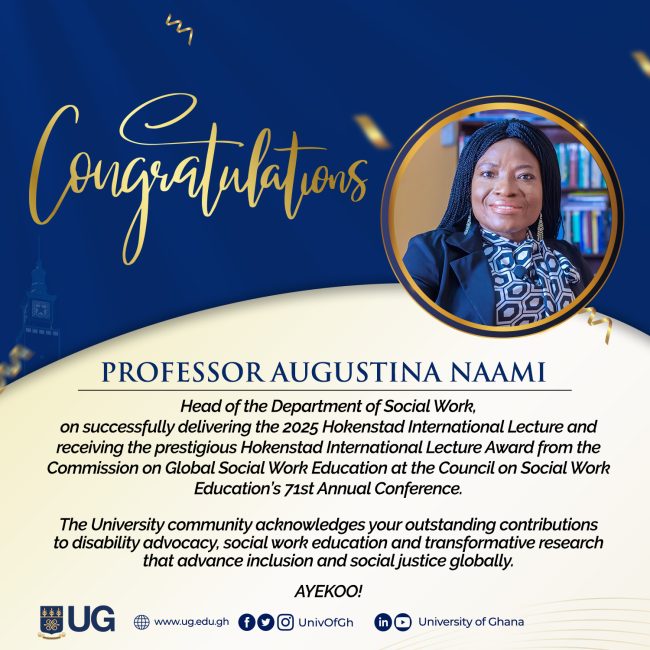
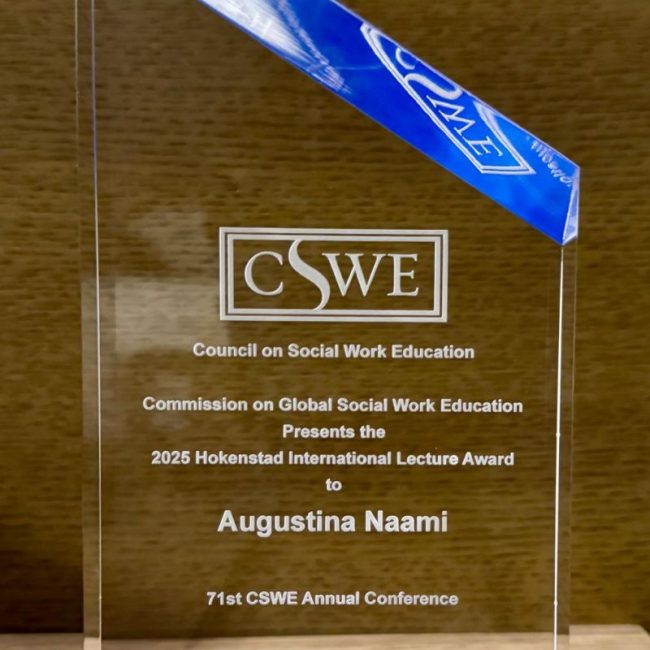
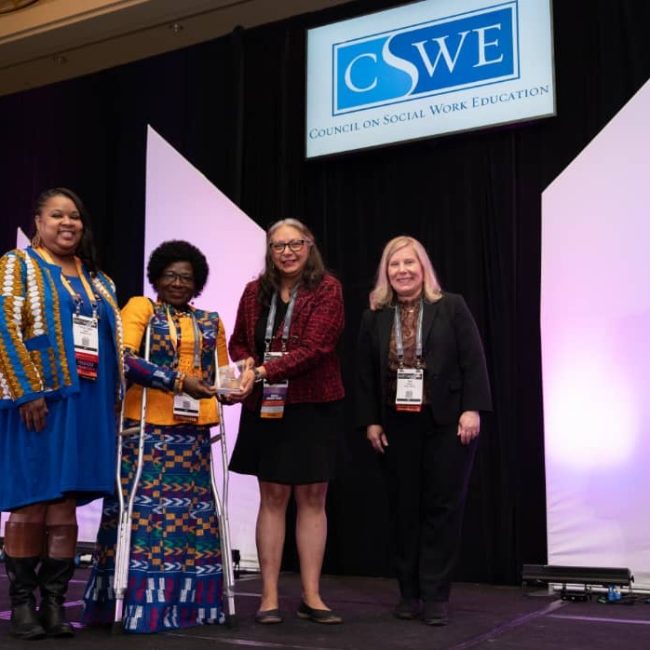
Her impact has been further strengthened through participation in the 2025 Australia Awards Fellowship, Strengthening National Reforms in Teacher Training and Inclusive Education Leadership, hosted by Western Sydney University. However, Prof. Naami’s influence reaches far beyond academia – she has played a key role in shaping disability inclusion practice and policy at the national level. The Council on Social Work Education (CSWE) recognised her innovative teaching, research, and community engagement by awarding her the Hokenstad International Lecture Award in 2025.
Turning knowledge into community impact
Tina Naami has spent more than 15 years advocating for disability inclusion, but she says the fellowship deepened both her knowledge and her commitment.
“Accessibility is fundamental to advancing equality, dignity, independence and the full realisation of the rights of people with disabilities. I see myself as a disability, accessibility, and inclusion expert. My speciality is disability and social work. My research focuses on disability and inclusion, mental health, social policy, intersectionality, and climate change,” Prof. Naami says.
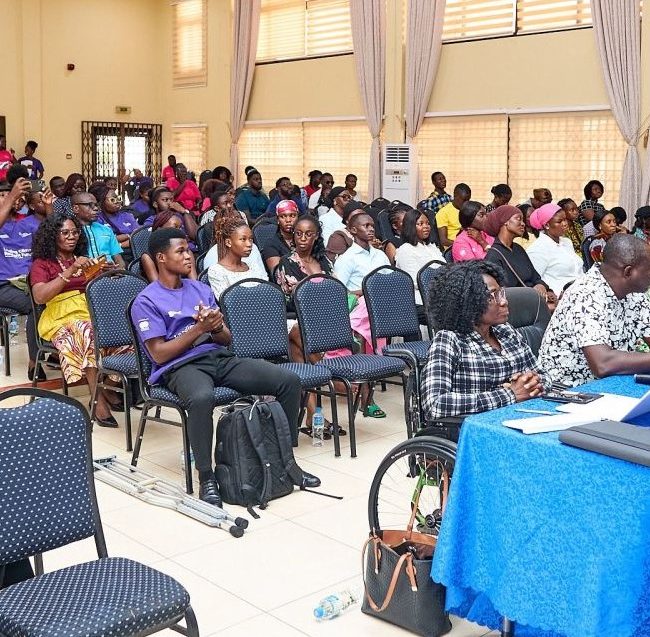
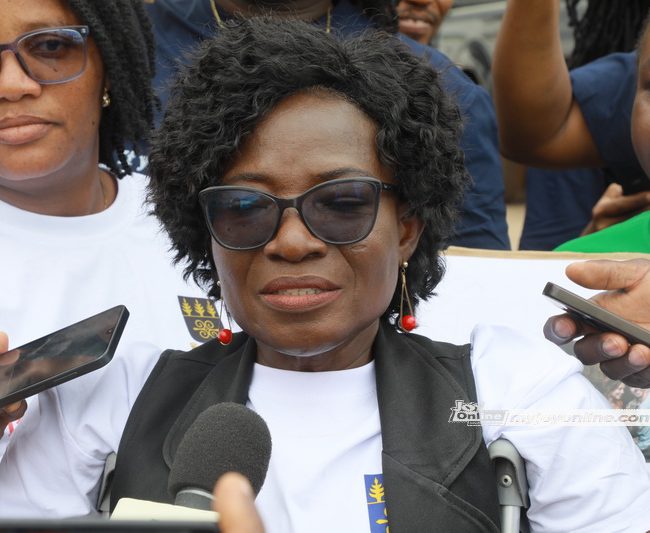
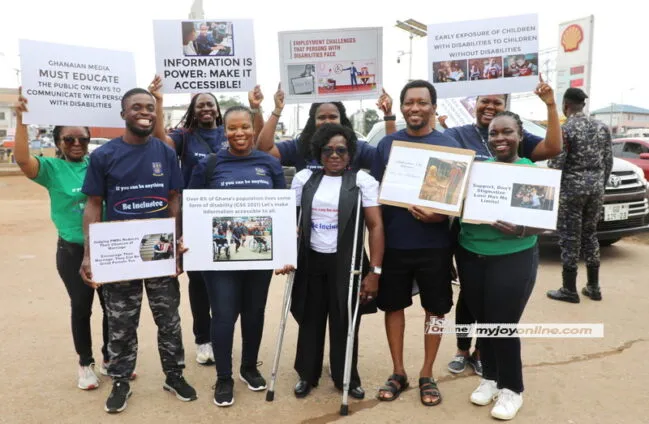
Since returning from Australia, she has expanded her outreach and advocacy activities significantly. In August 2025, she led 25 graduate students from the University of Ghana’s Counselling Persons with Disabilities course to Madina Market, where they conducted a public awareness campaign promoting disability inclusion. Armed with posters, the students educated market women, vendors, and pedestrians about inclusivity and the challenges faced by people with disabilities. Earlier, in July 2024, she mobilised more than 400 social work students to take disability education directly into communities, encouraging public dialogue and challenging misconceptions about disability.
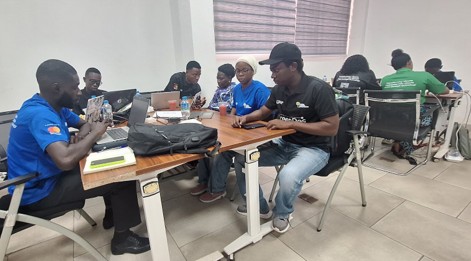
Her practical commitment to accessibility extends beyond awareness raising. Prof. Naami has facilitated the construction of 16 accessible ramps in schools and vocational institutions serving people with disabilities, helping to improve physical access to education and training opportunities. Prof Naami has served as a hackathon judge and mentor, providing expertise on digital disability inclusion and advising teams on designing accessible, inclusive, and user-centred digital solutions.
Examples of her contributions include serving as a judge for the Centre for Gender Studies and Advocacy’s 2026 Hackathon, themed Give to Gain: Catalysing Women-Led Climate Solutions, and for Di-Hack 2025, themed Co-Designing Accessibility: Empowering Persons with Disabilities through Technology, organised by the Inclusive Tech Group. In August 2026, she also served as a mentor for GreenRes Hackathon 2026, under the theme Transforming Climate Awareness into Climate Action through Technology, organised by the African Climate Collaborative at the University of Ghana.
Addressing persistent barriers to inclusion
Despite important policy advances in Ghana, significant challenges remain for people with disabilities. Prof. Naami points to persistent barriers in the built environment, transportation systems, communication channels, and digital spaces that continue to limit equal participation. She also highlights implementation gaps within Ghana’s inclusive education system, where many learners with disabilities still face barriers related to inaccessible infrastructure, limited assistive technologies, inadequate learning materials, and insufficient teacher preparation. A third challenge lies in teacher education itself.
“While teachers play a critical role in creating inclusive learning environments, gaps in pre-service teacher training may leave educators inadequately prepared to respond to the diverse learning needs of students with disabilities,” she explains.
Applying Fellowship learning to drive change
Prof. Naami contributes to teachers’ training through her research. The Australia Awards Fellowship provided her with new perspectives, practical examples, and enhanced leadership capabilities that she has since applied in Ghana’s education and disability sectors. One of the most significant areas of growth was her expertise in participatory action research, an approach that places people with disabilities at the centre of identifying barriers and developing solutions. Participatory action research emphasises collaboration between researchers and the people affected by the social problem under investigation. The researcher and people directly affected by the issue work together as co-researchers, not only to understand the problem but also to find solutions.
“My knowledge and skills in participatory action research deepened, enabling me to continue engaging in participatory action research on the accessibility barriers faced by people with disabilities,” she says.
Following the Fellowship, Prof. Naami collaborated with fellow alumni on a research project examining how disability sensitisation can improve pre-service teachers’ attitudes towards learners with disabilities. The study, Enhancing Attitudes of Pre-Service Teachers Towards Learners with Disabilities in Five Selected Colleges of Education in Ghana, seeks to contribute evidence-based recommendations for strengthening inclusive education policy and practice. This manuscript is currently being reviewed for publication.
The Fellowship also exposed her to successful international models of inclusion.
“Exposure to real-world case examples, policies and programs showcasing inclusive education best practices has strengthened my understanding of inclusive approaches and enhanced the visibility of my inclusive leadership abilities.”
She says these experiences have improved her ability to translate evidence into action, engage stakeholders and mentor future leaders in the sector and advocate for equitable and accessible approaches that ensure the full inclusion of people with disabilities to reach their potential.
National influence through policy leadership
Beyond academia, Tina played a key role in shaping disability policy at the national level including serving on the technical committee responsible for reviewing Ghana’s Persons with Disability Act (Act 715) in 2020 to better align it with the United Nations Convention on the Rights of Persons with Disabilities. Unfortunately, the new Act has not been adopted yet. Today, she continues to contribute through service on the Advisory Board of the National Council for Curriculum and Assessment and on the Government Committee on Free Tertiary Education for Persons with Disabilities. These roles allow her to bring evidence-based research and lived realities into policymaking processes that affect thousands of Ghanaians.
International Recognition
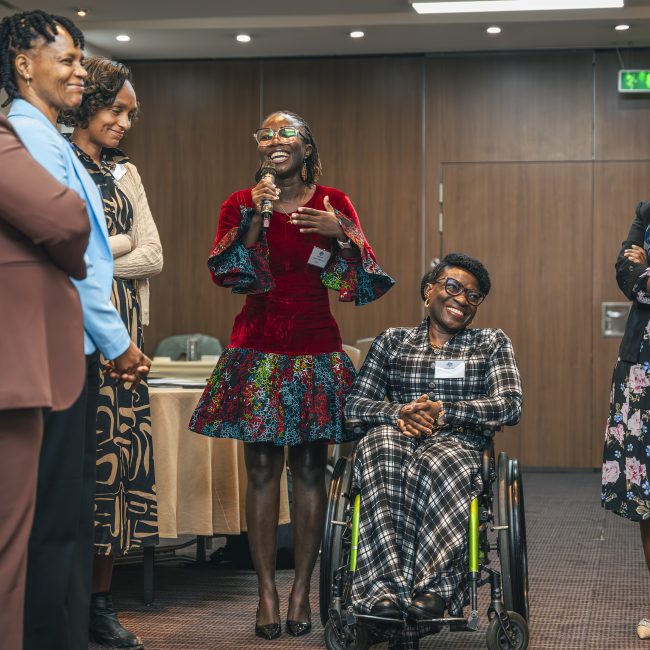
Prof. Naami’s dedication enjoyed international recognition. In 2025, she delivered the prestigious Hokenstad International Lecture at the 71st Annual Conference of the Council on Social Work Education (CSWE) in Denver, Colorado, and received the Hokenstad International Lecture Award. Speaking on the conference theme of disability justice and disability joy, she challenged audiences to think beyond removing barriers.
“Disability justice is not solely about dismantling barriers; it is equally about creating spaces where people with disabilities can truly triumph, live and celebrate their full humanity.”
She further emphasised the critical role of education in advancing inclusion: “Social work education can create these spaces where disability justice and disability joy work hand in hand.”
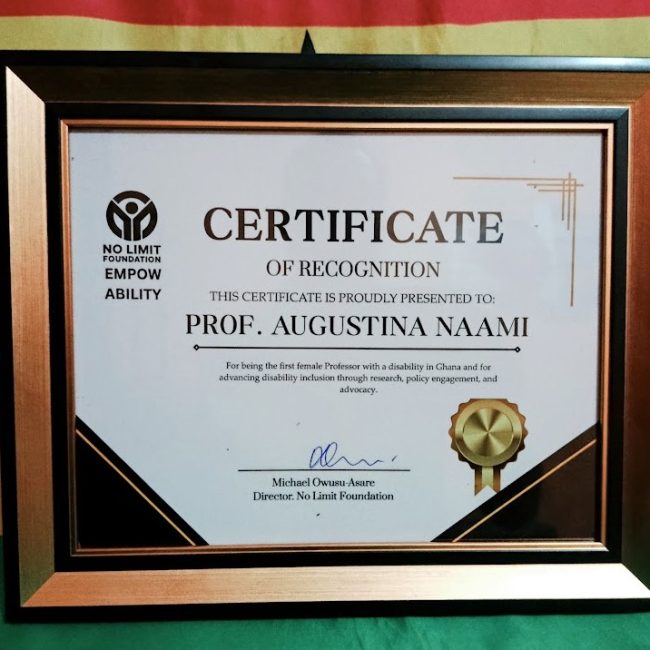
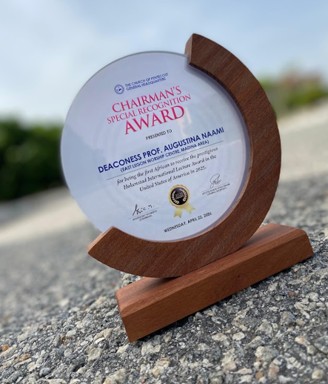
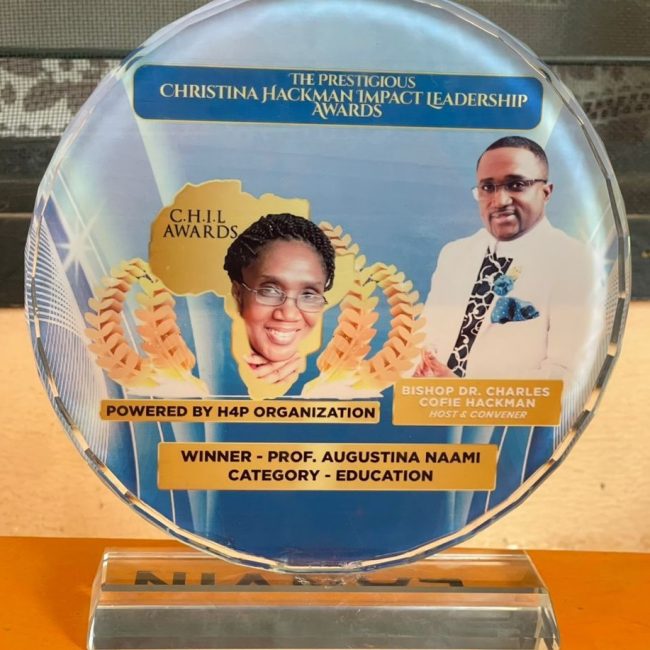
Her achievements have also been recognised through several additional honours, including the Christiana Hackman Impact Leadership Award in Education, the Chairman of the Church of Pentecost Recognition Award, and a recognition award from the No Limit Foundation.
Lasting partnerships and a vision for inclusive development
A key benefit of the Australia Awards Fellowship has been the professional relationships it fostered. Prof. Naami continues to collaborate with Dr William Nketsia of Western Sydney University, strengthening knowledge exchange between Ghana and Australia and helping sustain momentum around inclusive education reforms. The two researchers are currently collaborating on a work project that seeks to understand student teachers’ and Newly Qualified Teachers’ (NQT) perception of teacher training for inclusive education and their experience of inclusive practice during school placement.
Through research, policy engagement, community advocacy and leadership development, Prof. Augustina Naami is helping create a Ghana where disability is no longer a barrier to participation and opportunity. Her work demonstrates how knowledge gained through international partnerships can translate into tangible outcomes at home, influencing policies, transforming education systems, and improving the lives of people with disabilities.
Links with further information:
- https://www.ug.edu.gh/news/prof-augustina-naami-delivers-2025-hokenstad-international-lecture-wins-prestigious-award
- https://www.youtube.com/watch?v=C395VSTCL3g
- https://www.mogcsp.gov.gh/4th-technical-committee-meeting-for-the-review-of-act-715-preparing-of-legislative-instrument/
- https://www.myjoyonline.com/ug-students-raise-awareness-about-disabilities-at-madina-market/#google vignette :
- https://gna.org.gh/2025/08/lets-rethink-disability-it-is-not-the-problem-prof-naami/
- https://disabilitynewsgh.com/ug-students-take-disability-education-to-the-streets-led-by-dr-naami/
- https://www.graphic.com.gh/news/general-news/ghana-news-create-disability-friendly-environment-in-schools-dr-naami.html