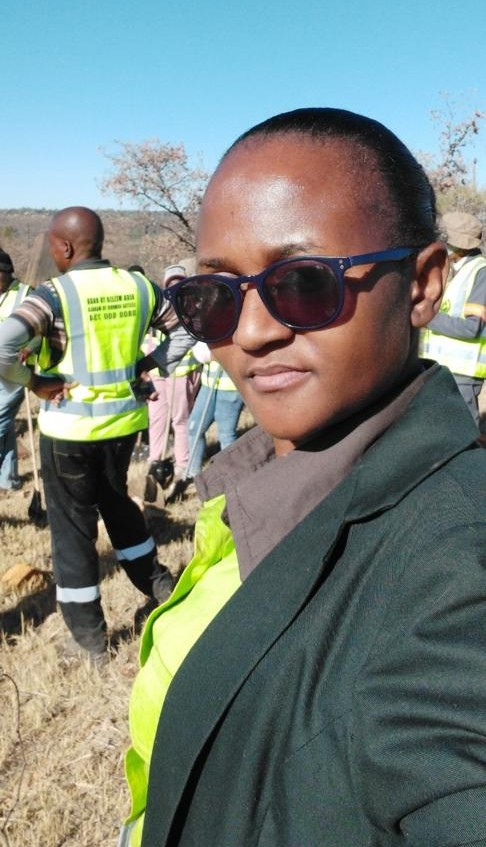
When alumna Ogolotse Modise looks across Botswana’s dry landscapes, she sees not only the threat of wildfires. She sees an opportunity. As a Principal Forest and Range Resources Officer in the Department of Forestry and Range Resources in Gaborone, Botswana, she is helping to reshape how fire is understood and managed across the country. This transformation was sparked by her experience under the Australia Awards Fellowship (AAF) in 2025.
A system under pressure
Before the fellowship, fire management in Botswana was largely reactive. Wildfire outbreaks frequently occurred across multiple regions at the same time, often overwhelming already limited institutional capacity. Equipment shortages, financial constraints, and increasingly extreme weather conditions further reduced response effectiveness.
At the same time, many rural communities relied on fire as a traditional land management tool. However, limited training and resources meant these practices sometimes resulted in uncontrolled fires, contributing to environmental degradation and increased greenhouse gas emissions.
“Imagine a community using fire to control pests and weeds, a long-standing practice meant to sustain livelihoods, only for it to slip beyond control and turn into a fast-moving, destructive wildfire, destroying massive hectares of land.” Ogolotse reflects.
This tension between necessity and risk highlighted the urgent need for more coordinated and preventative fire management approaches.
The breakthrough
In 2025, Ogolotse undertook the Supporting Enabling Environment for Emissions Reductions Savannah Fire Management (Southern Africa and Indo-Pacific) fellowship with AFF in Darwin, Australia, focusing on savanna fire management and emissions reduction. The fellowship introduced her to a paradigm shift. Fire is not only a hazard to be suppressed but also a strategic tool for sustainable land management.
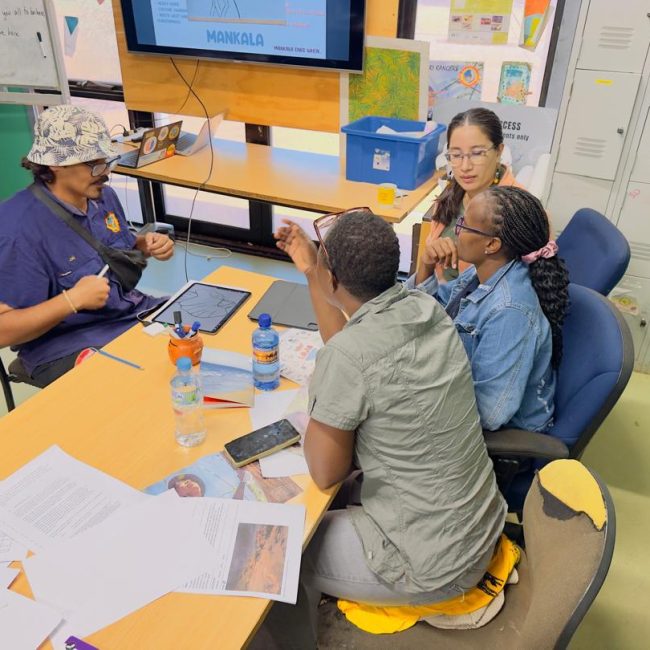
Through technical engagement with fire experts and Indigenous land managers, she learned about early dry season burning, controlled, low-intensity fires that reduce fuel loads and significantly decrease the severity of late-season wildfires. She also observed how communities in Australia’s Northern Territory were generating income through carbon markets linked to fire management.
“The experience in Australia opened my eyes to what is possible,” she said. “I saw communities benefiting directly from managing their environment, and I knew this could be adapted for Botswana.”
From learning to action
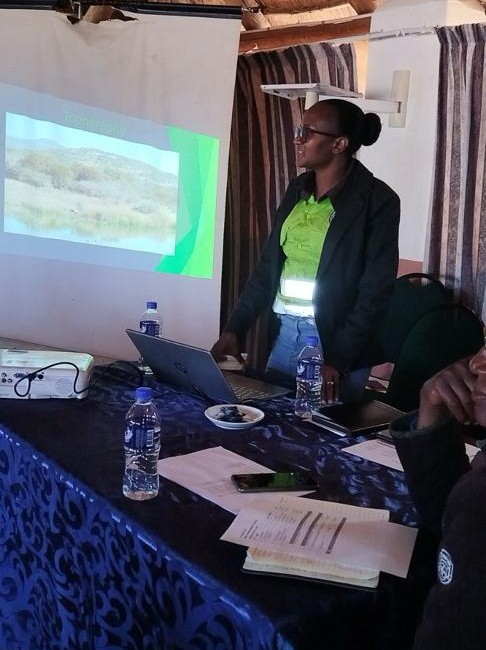
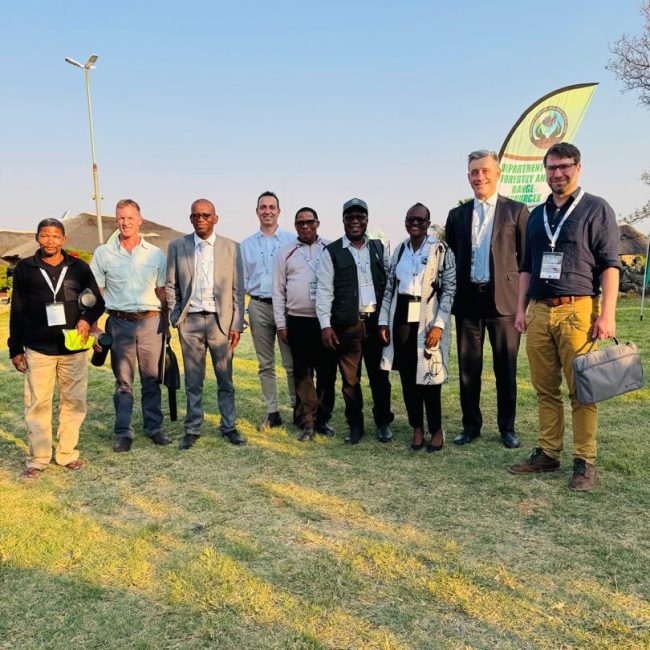
Upon returning home, Ogolotse focused on translating knowledge into practice. One of her most significant achievements was convening a National Fire Management Conference, which brought together 150 stakeholders from government, communities, and international partners.
A key outcome of the AAF was the strong professional network she built, which directly enabled technical and financial support from Australian partners. The International Savanna Fire Management Initiative (ISFMI) played a central role as a strategic partner, supporting the conference and contributing technical expertise. ISFMI also supported pilot projects on early dry season burning in the Chobe and Okavango districts, demonstrating practical applications of the approach in Botswana’s fire-prone landscapes.
In relation to her role at the conference, Ogolotse served as an organiser, identifying key stakeholders and participants, coordinating speakers, and facilitating the dissemination of invitations to ensure broad and relevant engagement. This engagement marked a critical shift in Botswana’s national discourse, from reactive firefighting to planned, preventative fire management.
Shifting national thinking and measurable impact
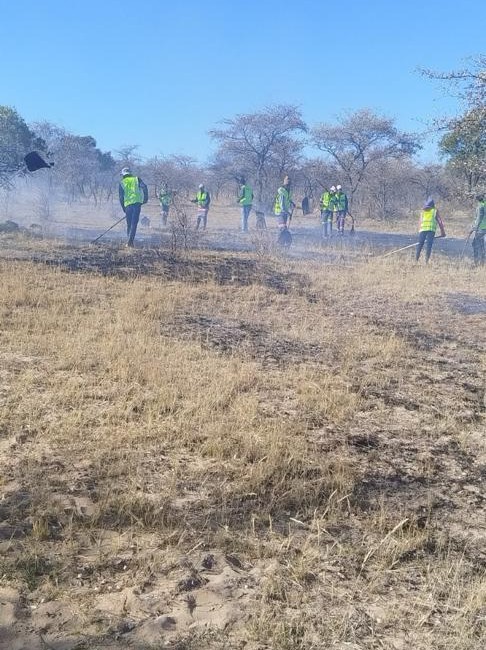
In her role as a Principal Forest and Range Resources Officer, she is responsible for advancing a revised fire management approach that promotes prescribed burning within communities. This involves implementing controlled burns early in the dry season to reduce vegetation fuel loads, thereby minimising the intensity and spread of uncontrolled wildfires later in the season. The approach is informed by the Fire Ranger Model in Australia, which demonstrates how structured and incentivised community-based fire management can support sustainable and effective outcomes.
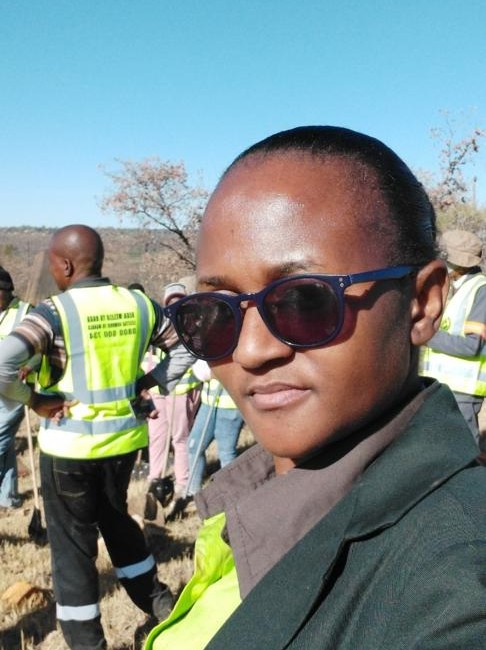
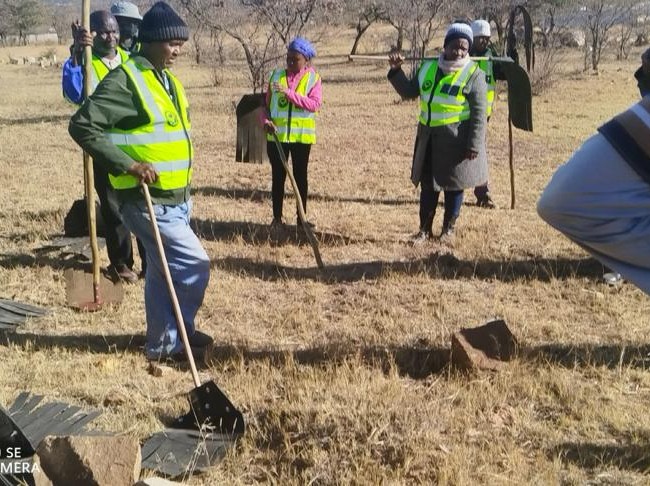
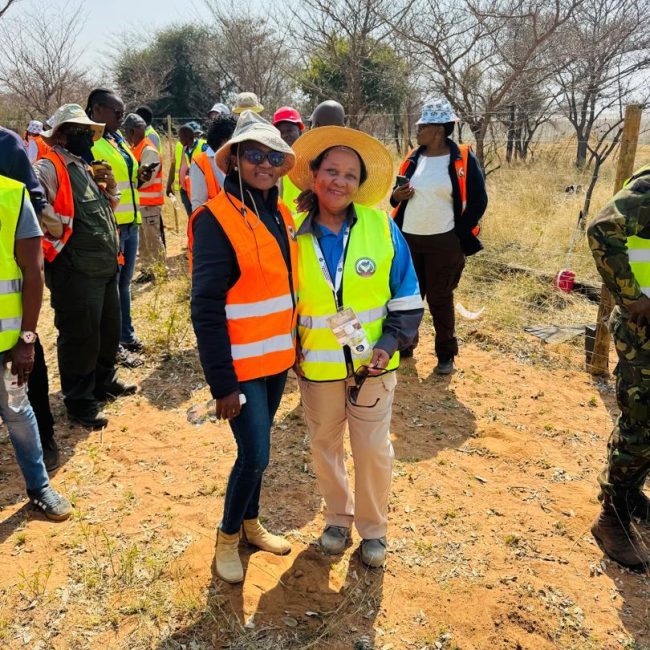
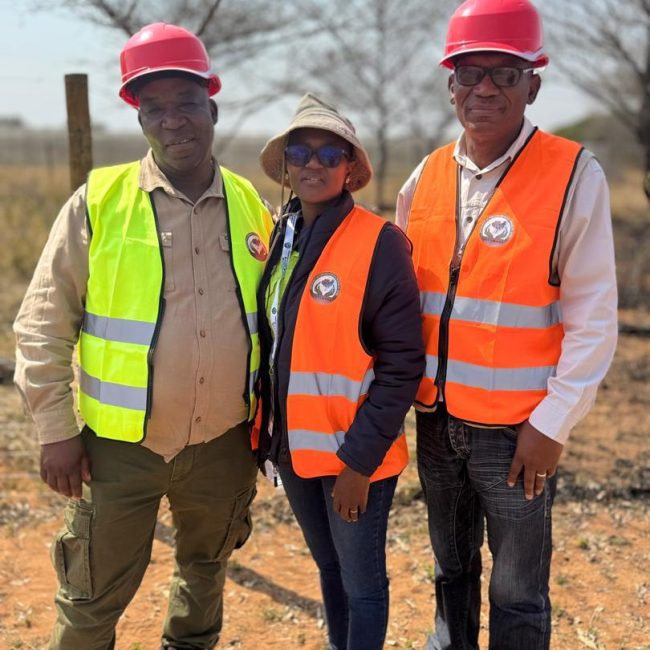
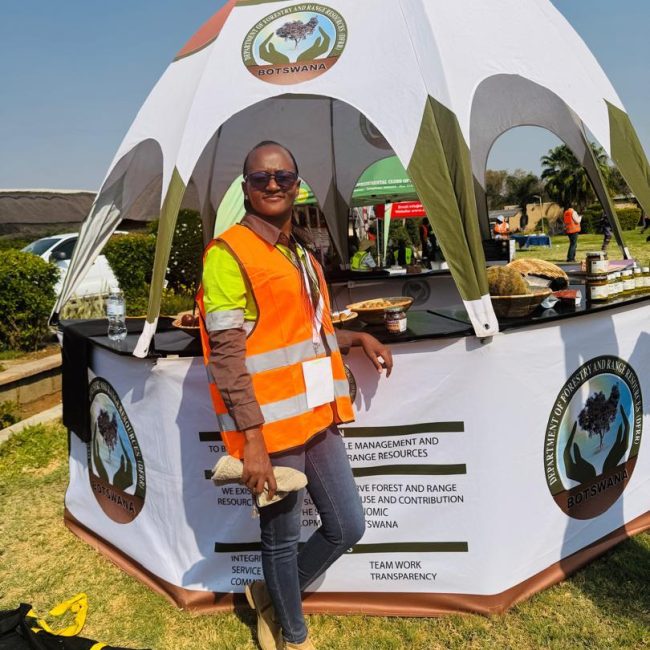
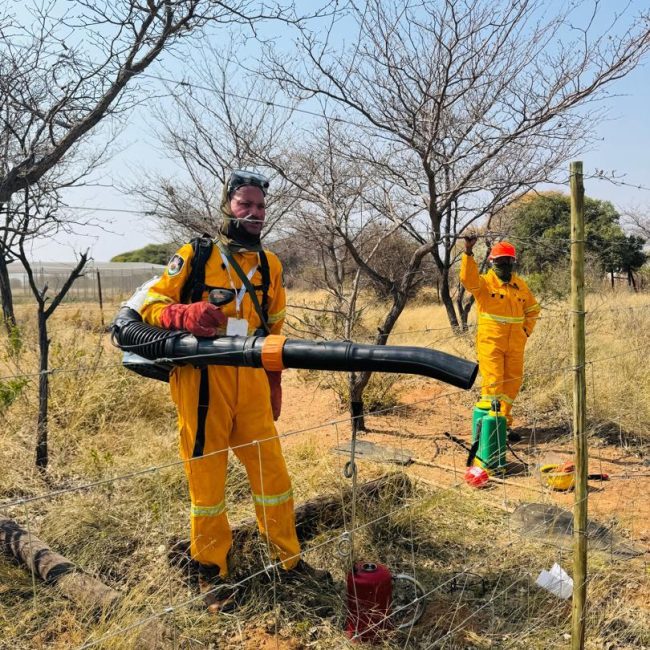
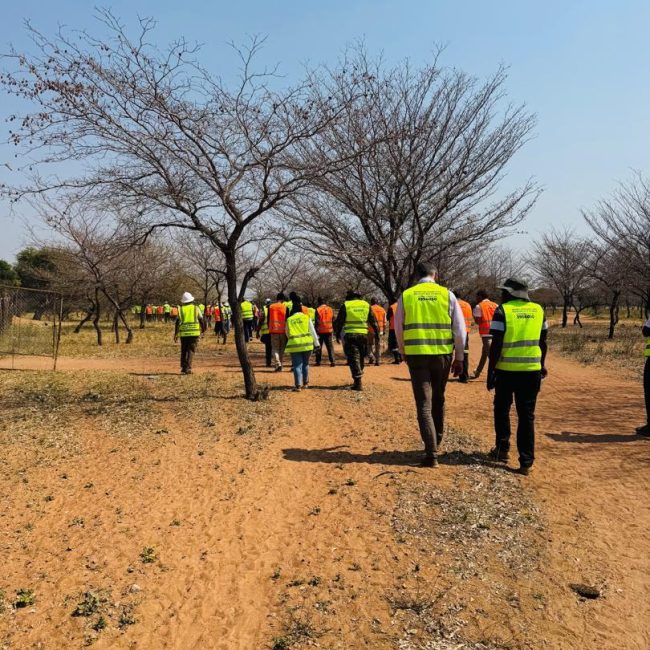
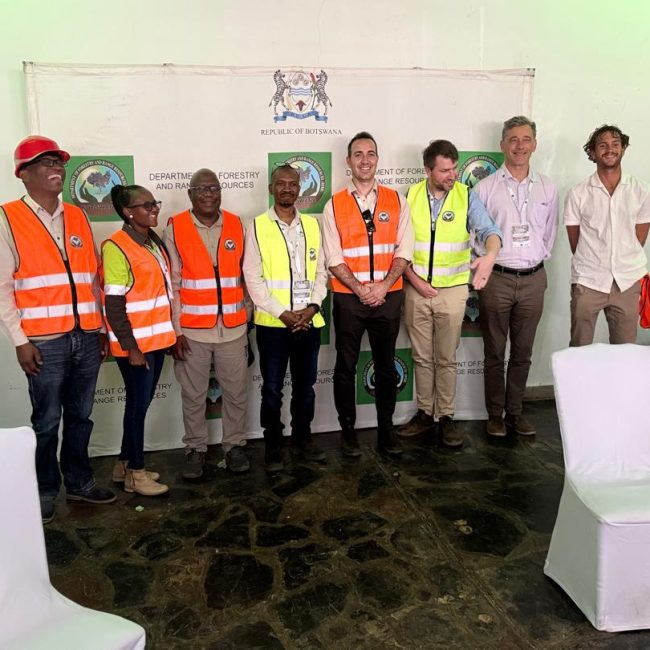
A key component of this approach has been the formalisation and remuneration of community volunteers. The individuals engaged in fire management activities are trained personnel, and Ogolotse was directly involved as one of the trainers during the Southern District (Losabanyana) training sessions, as reflected in the accompanying images. Previously, volunteers operated without any form of remuneration, which contributed to reluctance and limited participation. The introduction of payment structures has significantly improved engagement, commitment, and accountability.
Communities at the centre
This shift has placed communities at the centre of fire management efforts. Communities that were previously hesitant to participate are now actively involved in planning, prevention, and response activities. Importantly, the approach has strengthened local capacity and awareness, reducing reliance on emergency suppression measures while improving preparedness at the community level.
The impact has been both significant and measurable. In 2025, a total of 477 community members participated in structured fire management programs supported by the Government of Botswana, collectively earning BWP 1,056,047 (approximately $84,000). This reflects a broader policy transition, with fire management increasingly recognised not merely as a cost, but as a meaningful contributor to rural livelihoods and local economic participation.
This progress is further reflected in national fire statistics. The total area affected by wildfires declined from over 2.18 million hectares in 2024 to 1.91 million hectares in 2025, representing a reduction of approximately 270,000 hectares. This improvement underscores the growing effectiveness of early burning practices, coupled with strengthened community involvement.
Carbon trading opportunities
Inspired by the Australian experience, Ogolotse is now developing frameworks for Botswana to explore carbon trading linked to fire management. Pilot initiatives are underway in northern districts, where communities are testing systems that could eventually allow them to earn income by reducing emissions through controlled burning practices.
This positions Botswana as an emerging leader in Southern Africa in linking fire management with carbon finance and climate resilience strategies.
Power of networks and professional growth
The Australia Awards Fellowship has also strengthened regional and international collaboration. Ogolotse continues to collaborate closely with alumni, technical experts, and partner institutions to sustain momentum and expand impact.
The AAF enabled Ogolotse to engage directly with Mr Sam Johnston of ISFMI, as well as with fellow alumni she met during the fellowship, including counterparts in Zambia such as Mr Keddy Mbido from the Department of Forestry and Mr Clayton Lumwaya from the Zambia Environmental Management Agency (ZEMA). These engagements not only supported the National Fire Management Conference but also strengthened cross-border collaboration, reinforcing cooperation on transboundary fire management challenges.
As Ogolotse reflects, “The Australia Awards Fellowship did not just give me knowledge; it gave me networks, confidence and a platform to influence change.”
The AAF also contributed to Ogolotse’s professional advancement, supporting her promotion from Senior Forest Officer to Principal Forest Officer. In her expanded role, she now influences broader policy direction, forest resource management, and national fire governance frameworks.
A lasting impact
For Ogolotse, success is measured not only in statistics but also in long-term systems change. Communities are more prepared, fire incidents are increasingly managed proactively, and new livelihood opportunities are emerging in rural areas.
Her journey demonstrates how international fellowships can translate knowledge into national transformation through leadership, networks, and applied practice. For Botswana, the results are clear. Fire is no longer viewed only as a destructive force. With the right systems in place, it has become a tool for resilience, sustainability, and community development.
Connect with us
Any questions?
If you cannot find the answer on our FAQs page, feel free to get in touch by emailing .