Zimbabwe’s socio-economic situation mirrors that of many sub-Saharan African countries, characterised by a large informal economy, high inflation, and a strained welfare system. These factors leave millions of people vulnerable to economic shocks and climate-related challenges such as drought, hunger, and a rising cost of living. Women and children are often the most affected due to limited economic empowerment. Over two decades of governance and economic challenges have worsened the humanitarian situation, particularly in rural areas where urgent food assistance is needed. Behind this crisis, however, are dedicated individuals working tirelessly to support Zimbabwe’s most vulnerable.
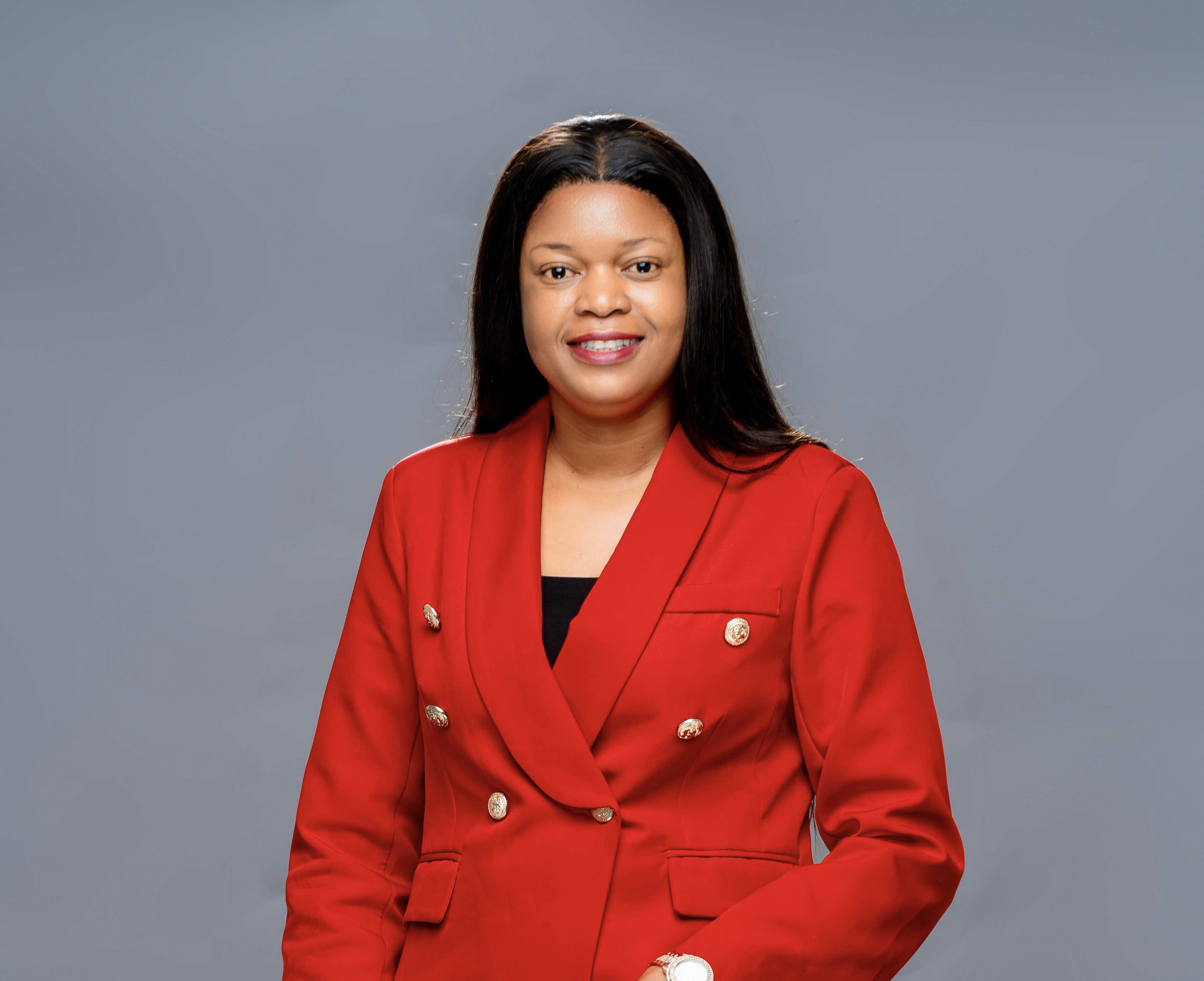
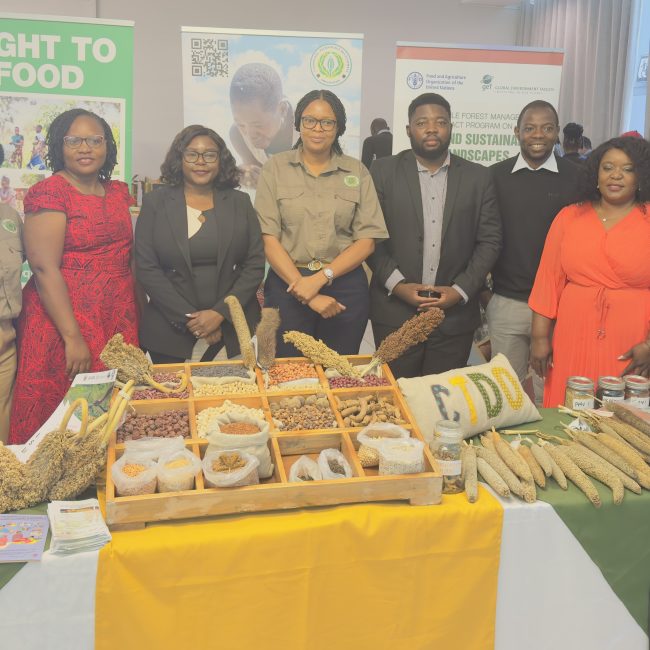
One such individual is alumna Thamsanqa Khanye, a Program Manager and Nutrition Advisor at the Zimbabwean-based non-governmental organisation, Community Technology Development Organisation (CTDO), a leading agricultural organisation focused on biodiversity conservation and sustainable farming to promote food security and nutrition in a just and equitable environment. Between 2024 and 2025, Thamsanqa successfully proposed, designed, and managed a project that delivered supplementary school feeding by providing one hot meal a day to 3,106 school children in the rural district of Rushinga. The year-long project, titled Humanitarian El Niño Response (HERE), was funded by an Australian charity organisation Action on Poverty.
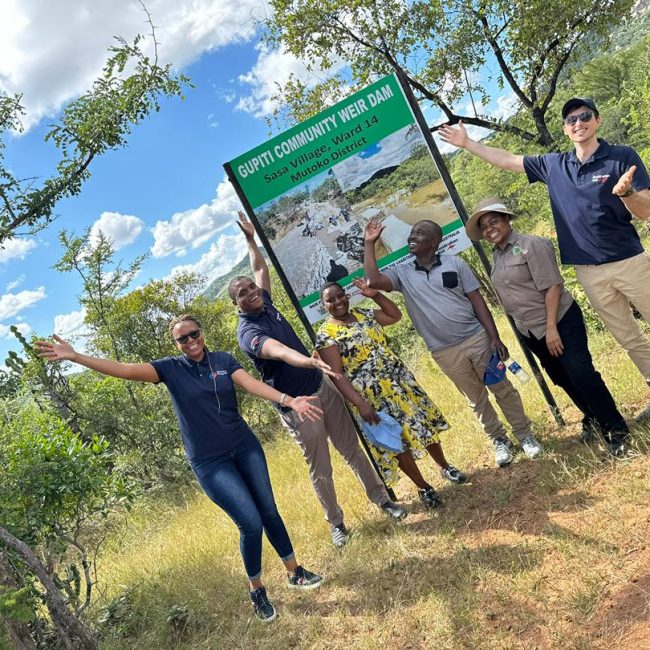
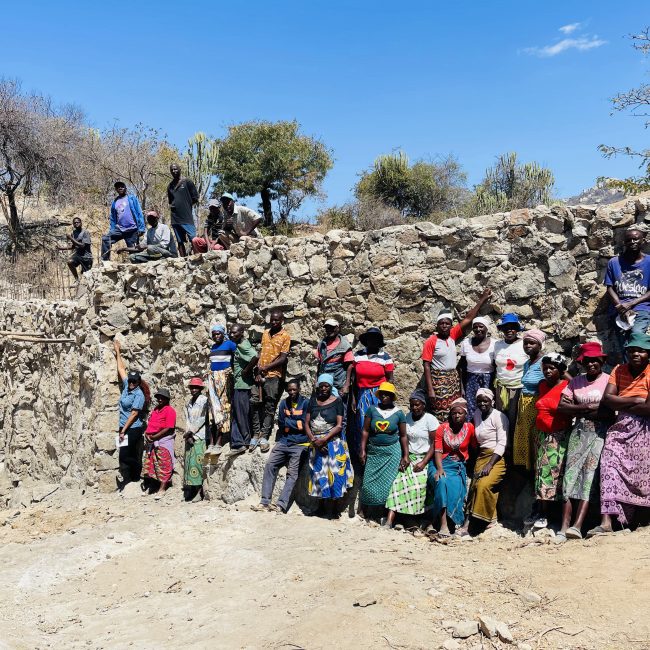
Additionally, in Mutoko District, 1,690 people benefited from a Community Livelihoods Improvement project aimed at building community resilience through promoting household agricultural productivity and improving water and sanitation in schools prone to disease outbreaks, such as cholera, particularly during dry spells. The El Niño weather phenomenon, which affects parts of sub-Saharan Africa, is associated with dry spells, drought, and in some cases, flooding which equally affect rural harvests and livelihoods. For rural populations in Zimbabwe who rely on subsistence farming, such climatic shocks push communities deeper into poverty and food insecurity. In response, the Zimbabwean government declared the 2024 drought a national emergency, with over seven million people in need of food assistance. While the government and multilateral institutions respond to crises, local organisations such as the CTDO complement national level responses with community initiatives that are supported by donors and international partners.
Thamsanqa’s contributions extend even further. Between February and April 2025, she co-developed a project that reached over 123,000 people in Chivi District under the Protection and Accountability of Affected Populations initiative, supported by the United Nations World Food Programme. Key achievements of the project included establishing a district referral system to ensure food reached intended beneficiaries and strengthening accountability and inclusion in food aid distribution.
In 2023, Thamsanqa was selected for an Australia Awards Fellowship (AAF), a leadership capacity-building program under which fellows completed an Adaptive Management and Emerging Leadership course at the University of New South Wales. This experience strengthened her skills in fundraising, institutional policy review, donor engagement, social inclusion, and project design, skills that have directly contributed to the success of the projects she has led including the school feeding program. During the fellowship, she also spent time at Action on Poverty, a civil society organisation based in Sydney, where she gained valuable insights into team leadership and building high-performing, collaborative teams.
“Participation in the Australia Awards Fellowship was a transformative experience, which equipped me for the senior management position I accepted. I gained deeper knowledge and skills to positively contribute to policy development and institutional capacity building,” said Thamsanqa Khanye.
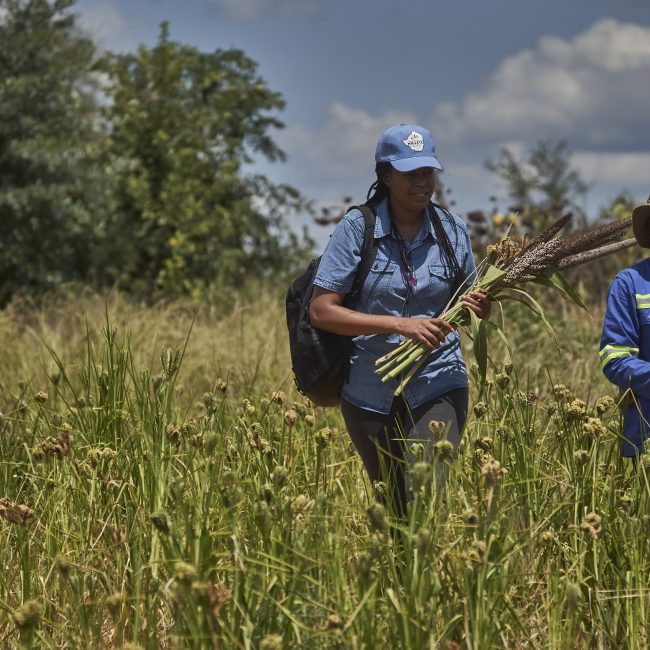
At the Community Technology Development Organisation, Thamsanqa’s role encompasses proposal writing, portfolio and grant management, donor liaison and engagement, project planning, and training of teams. Working within an organisation that reached 900,000 people in rural and remote parts of Zimbabwe in 2025, while co-managing an annual budget of US$4.7 million, is no small feat. Yet, she has navigated her managerial role with confidence, drawing on the invaluable skills and competencies gained during her time in Australia.
When she is not managing high-pressure projects that bring relief to communities in need, Thamsanqa is travelling, learning, and sharing knowledge with peers across borders. In 2024, she presented at the Regional Workshop on a Multi-stakeholder Platform for the Conservation and Sustainable Use of Neglected and Underutilised Species in Africa at the University of Joseph Ki-Zerbo in Ouagadougou, Burkina Faso. In 2025, she was a delegate at the People’s Summit for a Just Agricultural Transition in Brazil, where she presented on her organisation’s experience with farmer-managed seed systems.
Beyond her professional achievements, Thamsanqa is a gender equality advocate and serves as a committee member of the Australia Awards Alumni Women in Leadership Network in Zimbabwe. She hopes that her journey from humble beginnings in Iminyela township in Bulawayo to a managerial position in the civil society sector will inspire young girls and women she encounters through her work to remain focused on their goals despite hardship.
The Australian Government continues to invest in skills development for women like Thamsanqa Khanye by providing opportunities for master’s degrees, short courses and fellowships at Australian universities and organisations. These initiatives equip fellows with the capacity and expertise to address Africa’s development challenges, in line with Australia’s development priorities, including Gender Equality, Disability and Social Inclusion (GEDSI).
Connect with us
Any questions?
If you cannot find the answer on our FAQs page, feel free to get in touch by emailing .