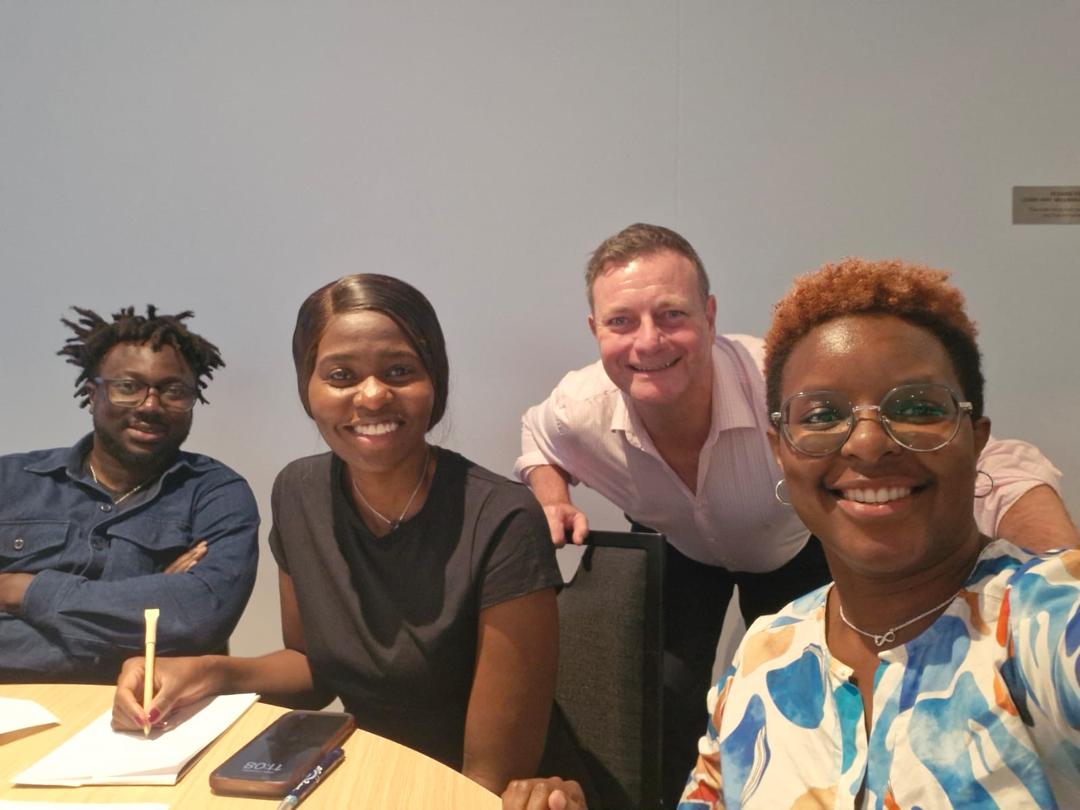
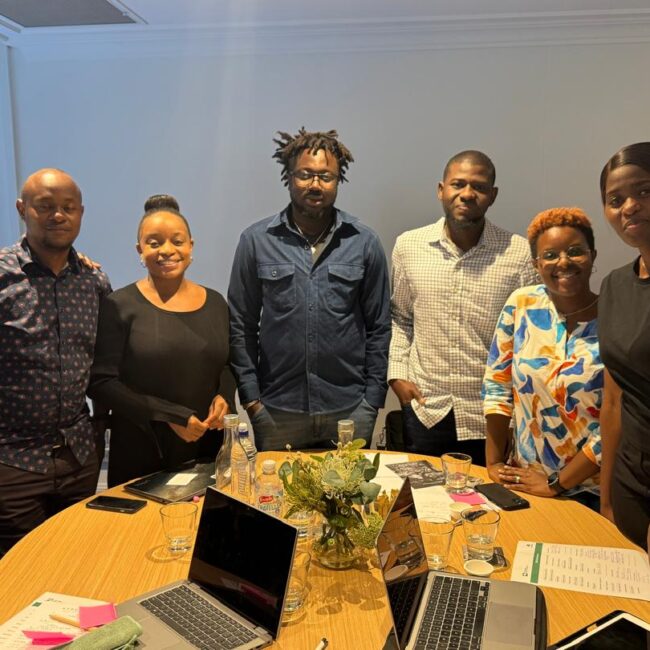
The 2024 intake of the Australia Awards Africa scholars convened in Sydney, New South Wales for a two-day Reintegration and Career Planning Workshop on 4 and 5 December 2025. The workshop marked the conclusion of a two-year academic journey that commenced in November 2023 when successful scholarship applicants gathered in Pretoria, South Africa for the Pre-Departure Briefing workshop before mobilising to Australia.
The cohort, made up of masters scholars across diverse disciplines including Engineering, International Relations, Agricultural Sciences and other fields, will return to their respective countries in December 2025 to contribute to national development back home. Many described their time in Australia as both life-changing and professionally transformative.
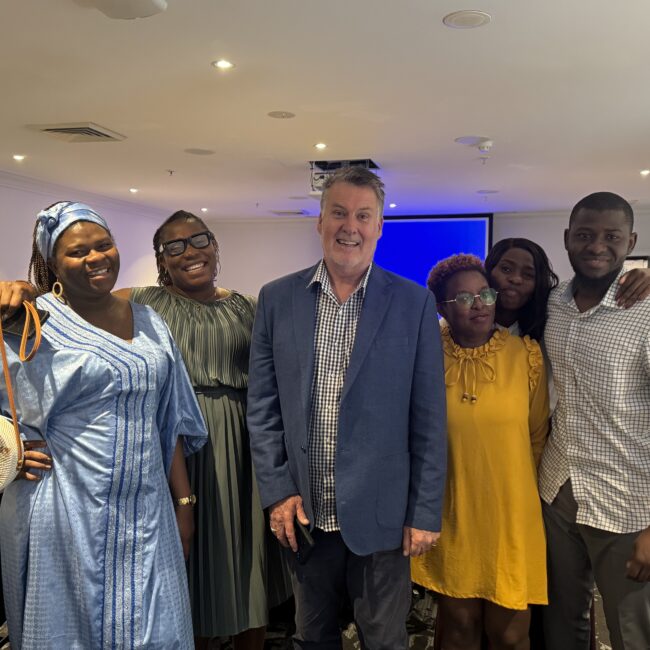
The two-day workshop was facilitated by Dirk Mulder, an internationally recognised education and service management consultant, former International Director of Relationships and Strategic Recruitment at Murdoch University, and founder of Koala News. Mulder challenged scholars to seize opportunities upon returning home and to lead change starting with well-structured Reintegration Action Plans (RAPs).
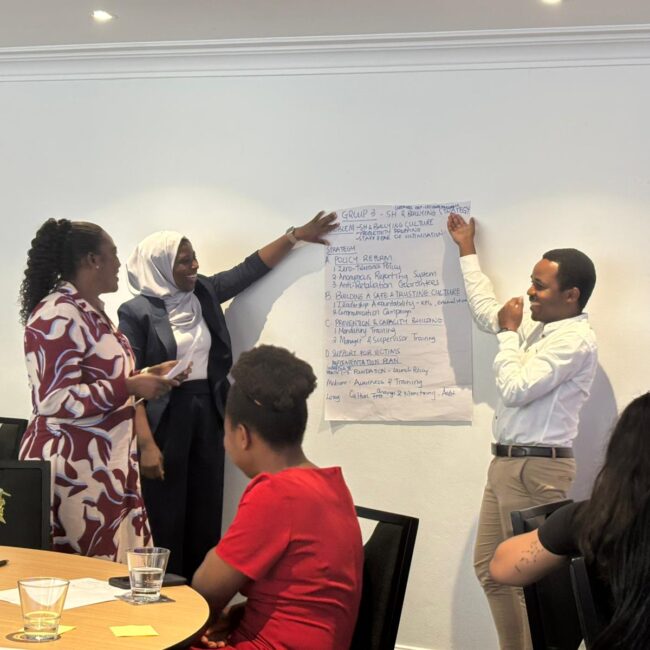
During his session scholars participated in simulation exercises where they presented their RAP objectives, planned actions, and anticipated barriers to their peers. Thereafter, scholars critically analysed the contents and offered peer feedback to strengthen clarity, feasibility, and impact. The exercises were designed to give returning scholars a sense of how high-level ministerial and policy briefing processes are conducted, preparing scholars for stakeholder engagement and participatory decision making. The RAP is a core component of the Program, outlining how scholars intend to apply their qualifications, networks, learning and professional exposure to drive development in their home countries.
Later, scholars engaged in an interactive session on gender equality, diversity, and social inclusion to address structural inequalities in contemporary society. The session explored the role that men can play as stakeholder in advancing gender equality. Australia Awards scholars who have spent the last two years immersed in Australian culture and society, explored some of the obvious yet inevitable barriers that cultural and religious expectations and norms in their respective countries may present in implementing their RAPs. RAPs are expected to address at least one aspect of Gender Equality, Diversity and Social Inclusion (GEDSI).
Scholars engaged in lively discussions on gender stereotypes in both domestic and professional settings within the Sub-Saharan African context, and how these often disadvantage women and girls through unpaid care work and household chores. Scholars also explored the modalities of bringing both women and men into dialogue when designing inclusive gender equality policies for public, private or civil society organisations. The session was led by Glenn Davies a Gender Equality and Social Inclusion development advisor working across Australian Aid programs in the Asia Pacific region. He also facilitates Primary Prevention of Violence Against Women (PVAW) programs, including bystander approaches, respectful relationships, workplace equality programs for local government and private sector organisations and, is a facilitator for Men’s Behaviour Change programs. Davies called on Australia Awards scholars to examine the intersectionality of religion, culture, education, and income, and consider how these factors contribute to unequal gender power relations. He also emphasised the importance of raising boys with equality in mind and encouraging men to see women as peers and collaborators rather than subordinates.
Glenn Davies highlighted how gendered socialisation often shapes professional and social interactions, sometimes resulting in inequality, toxicity, and friction. Across regions and cultures men are typically socialised to be leaders, to be in control and not to display signs of vulnerability. This has contributed to the rise of what psychologists term “toxic masculinity. As part of group tasks, scholars were asked to design organisational gender equality strategies that included equal employment opportunities, financial incentives, supportive workplace policies, and the creation of safe spaces where employees can seek mental health support. The session concluded with a call for scholars to develop balanced strategies that address both structural inequalities affecting women and the growing mental health concerns affecting men.
Day two featured a session on reverse culture shock and reintegration led by Denis Jato. Denis is a 2019 Australia Awards short course participant and Public Health Specialist. The session explored the emotional and psychological challenges scholars may face upon returning home after studying abroad, including professional, economic, and societal barriers. Reverse culture shock refers to the emotional disorientation experienced when re-adjusting to one’s home environment after extended time abroad. Scholars were given useful coping mechanisms and encouraged to remain resilient, manage expectations, and prioritise their wellbeing during the transition period. Denis Jato is the co-author of the Palgrave Macmillan Handbook of Mental Health in Sub-Saharan Africa, a collaborative book whose contributors are all Australia Awards Africa short course alumni. The book was a post-reintegration effort by the alumni to contribute to public health research. In addition, Denis Jato has over 15 years of experience in community and mental health promotion, research, and capacity building across Africa and Australia.
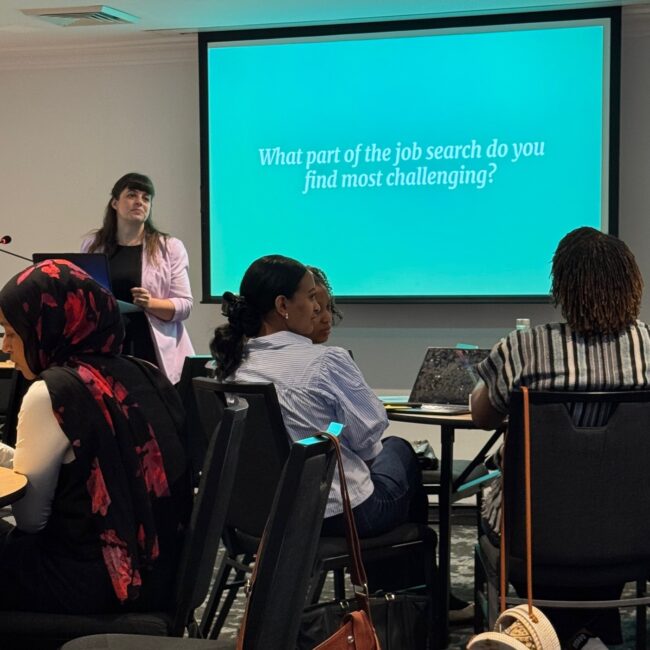
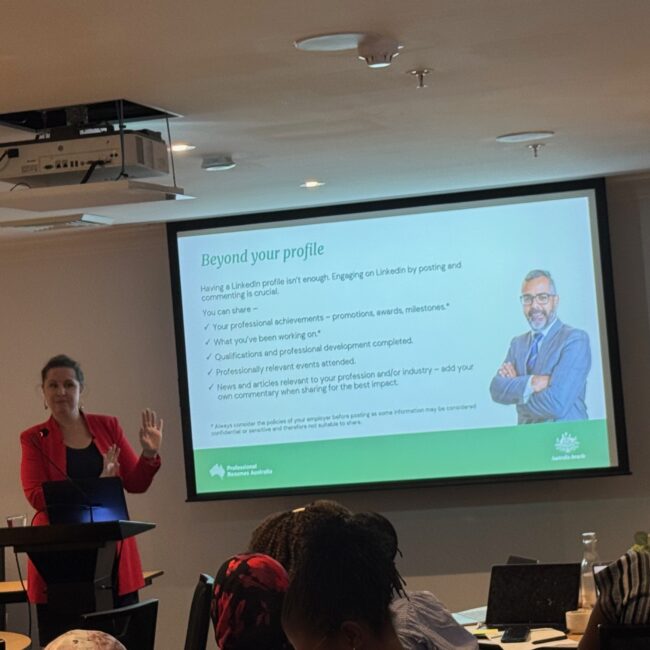
Michaela McElligott and Emma Hale from Professional Resumes Australia facilitated the career planning and professional positioning session, as scholars prepare to return home and make efforts to get into leadership and managerial roles and contribute to the development of their respective countries. Scholars were guided on how to revise their curriculum vitaes to reflect the skills, global exposure and qualifications gained in Australia. According to Professional Resumes Australia, hiring managers spend less than one minute reviewing each resume out of hundreds, sometimes thousands of job applicants. Scholars were told that beyond having a strong resume, having a LinkedIn profile is a great tool to generate online visibility and have a professional digital footprint. As part of their return home plan, Australia Awards scholars were urged to create wrap-up social media posts reflecting on their academic and personal journeys and to position themselves for promotions, as high-potential professionals who bring local understanding and experience as well as global perspectives.
Reflecting on the two-day workshop, Nigerian scholar Abdullahi Ibrahim Adam, a Master of Agricultural Science student at the University of Western Australia, Perth said:
“I appreciate that the workshop was interactive, scholars expressed diverse views and the speakers were receptive to them. It also provided us with an opportunity to discuss the challenges we may face when we return home and possible remedial approaches to counter the challenges. I think most if not all the students are now better equipped to lead reform.”
Another scholar from Ghana, Gladys Sayibu studying a Master of Environmental Management and Sustainability at Flinders University in Adelaide added:
“The workshop was helpful. I feel capacitated to go back home and implement the skills I have gained through my studies. One of the major takeaways from the workshop was how to narrow and streamline ideas. Initially my RAP was so broad, but hearing from the speakers has helped me pinpoint the right track and course of action. Overall, the workshop was impactful, we got to learn from one another. My confidence to implement the objectives of my RAP has been boosted.”
After completion of studies, scholars are required to return to their home countries for a minimum of two years. This ensures that the skills and knowledge gained in Australia contributes to Africa’s development. The scholars now join the prestigious Australia Awards Africa alumni network with more than 6000 members spanning the continent. The alumni across various professional fields, in government, private and civil society sectors represent the public diplomacy ties that Australia and Africa share. Australia is a leading educational partner as it contributes to strengthening the pool of skilled and qualified professionals, necessary for Africa’s development and prosperity.
Connect with us
Any questions?
If you cannot find the answer on our FAQs page, feel free to get in touch by emailing .