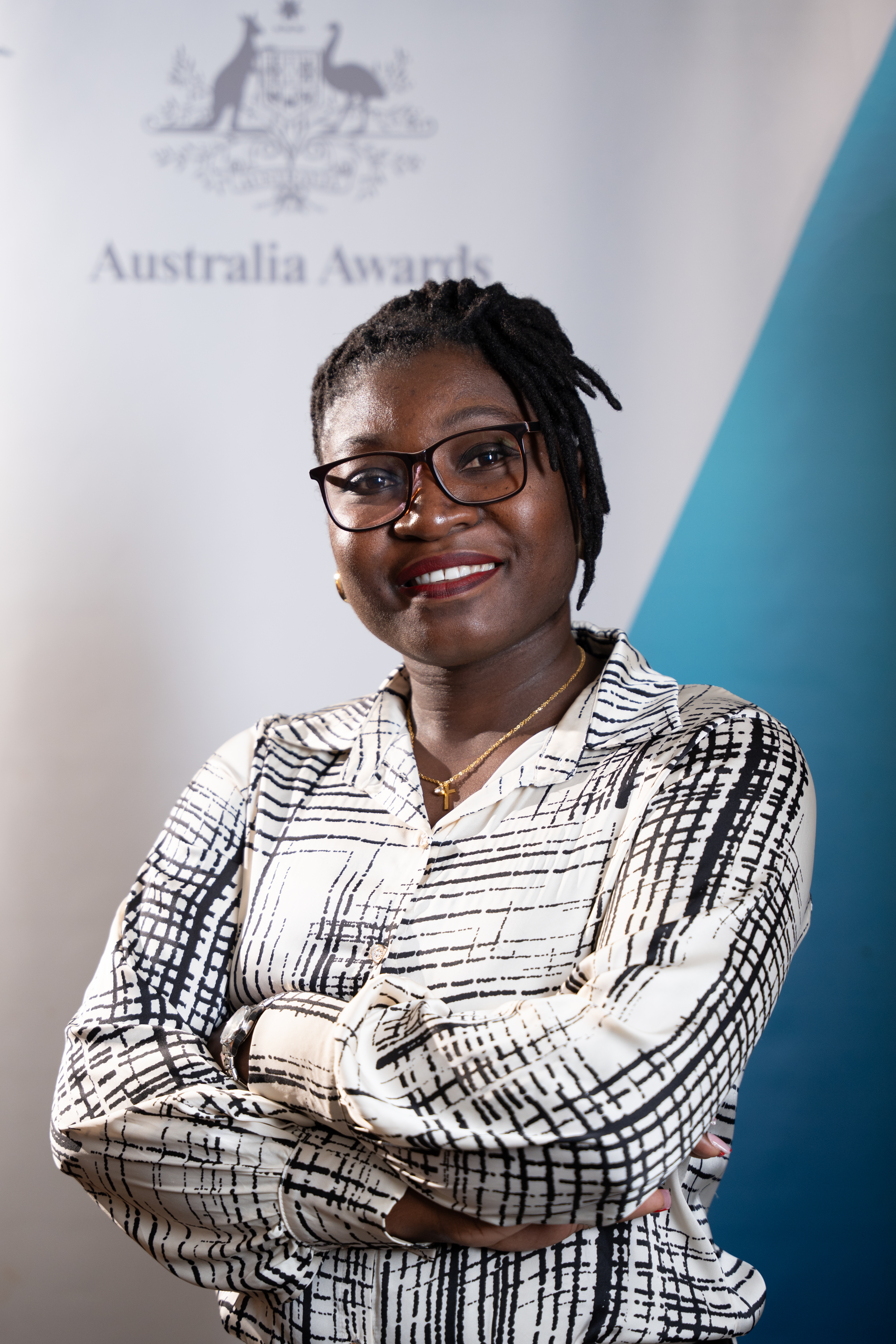
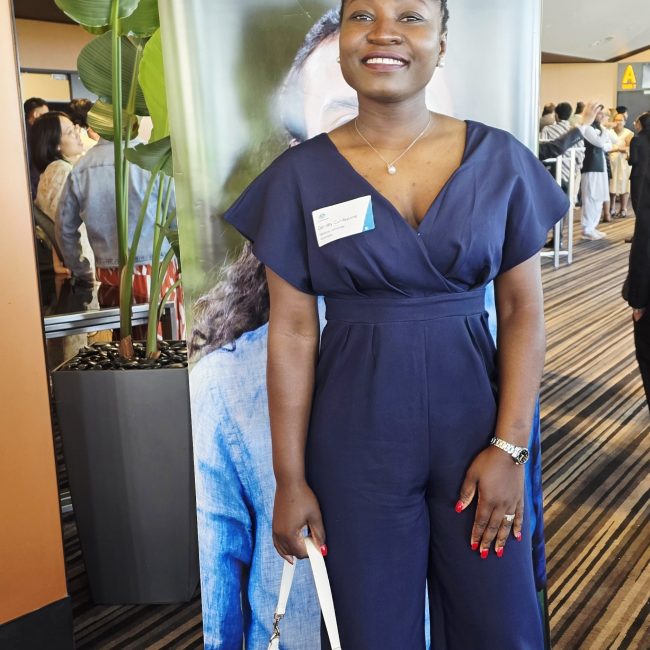
Australia Awards Africa scholar Dorothy Cumbulane, from Mozambique, has been seizing every available opportunity since she arrived in Australia at the beginning of 2025. She is not only working part-time as a Student Support Officer at the Errington Special Education Centre in Adelaide since June 2025 but has also launched a community-based initiative in Mozambique titled Bridging Gaps, Building Futures: Inclusive Education Project, after receiving an Australia Awards On-Award Small Grant in 2025.
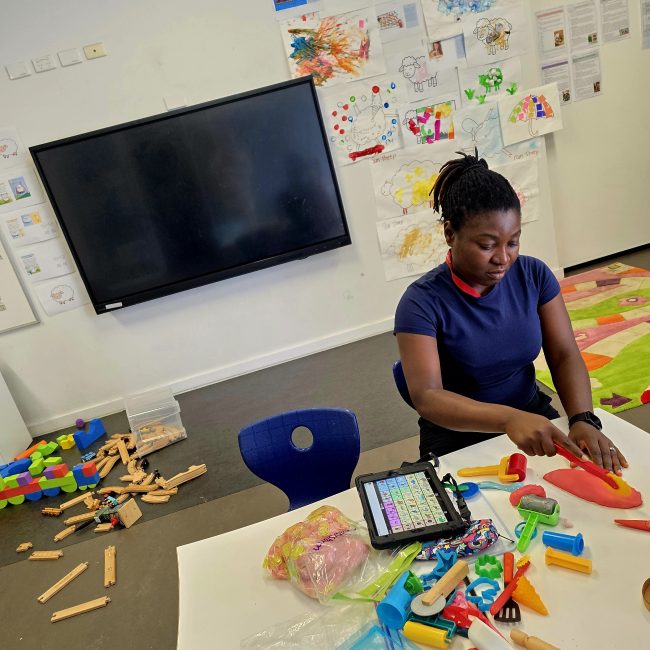
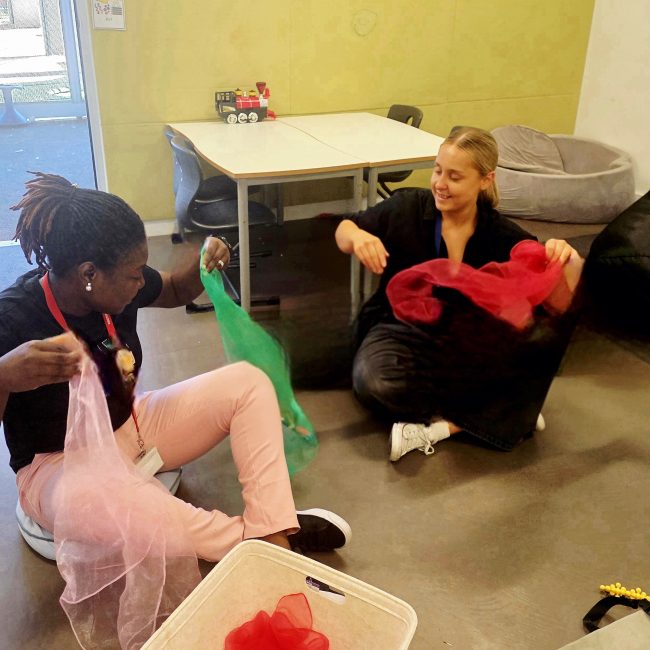
In her role at the Errington Special Education Centre, she assists students with diverse learning needs by supporting their classroom activities, helping implement individual learning plans, supervising them during daily routines, and contributing to a safe and inclusive learning environment.
“Being a Student Support Officer has had a significant positive impact on me both personally and professionally. It has strengthened my understanding of children with complex disabilities and enhanced my ability to work effectively with students who have diverse learning needs. I value the opportunity to develop practical skills such as communication, patience, adaptability, and teamwork, all of which are essential in educational support settings,” she says.
Dorothy pursued this role because it aligns with her strong interest in inclusive education and her desire to support students with diverse learning needs. She wanted to gain firsthand experience and a better understanding of how inclusive practices are effectively applied in a well-resourced system such as Australia, one that is more advanced in inclusive education compared to her home country. According to Dorothy, working as a Student Support Officer at the school enables her to observe and learn from established approaches to student support while contributing meaningfully to the learning and wellbeing of the students she assists. Her work is casual, allowing her to schedule shifts around her academic commitments – usually two days per week, depending on her timetable and study workload.
“This experience has also deepened my commitment to contributing to more inclusive learning environments and what motivates me to spend my free time here is the meaningful connection I build with students, the satisfaction of supporting their progress, and the opportunity to learn from a system that models effective inclusive education,” she elaborates.
Her Australia Award
Dorothy’s Master of Inclusive and Specialised Education at Flinders University exposes her to innovative, low‑resource teaching strategies and evidence‑based methods that can be adapted to classrooms with limited materials – directly addressing the challenges faced in her home context. Her Australia Award also allows her to build strong professional and leadership skills that will support teacher training and capacity development when she returns to Africa. She is developing the expertise needed to share modern pedagogical approaches and contribute to improving the quality of teaching in her district, as well as leadership, project planning, and capacity‑building skills that strengthen teacher professional development.
Her newfound skills also support the work of her organisation, Brighter Horizons, which she founded to promote inclusive education in Mozambique. She plans to translate her learning into community programs, teacher workshops, and advocacy initiatives that raise awareness, build capacity, and create more equitable learning opportunities for children with diverse needs.
Back home in Mozambique
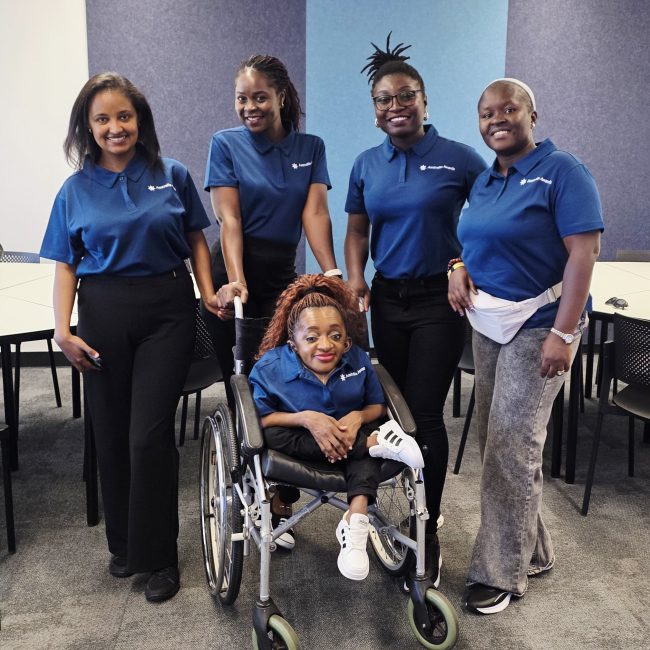
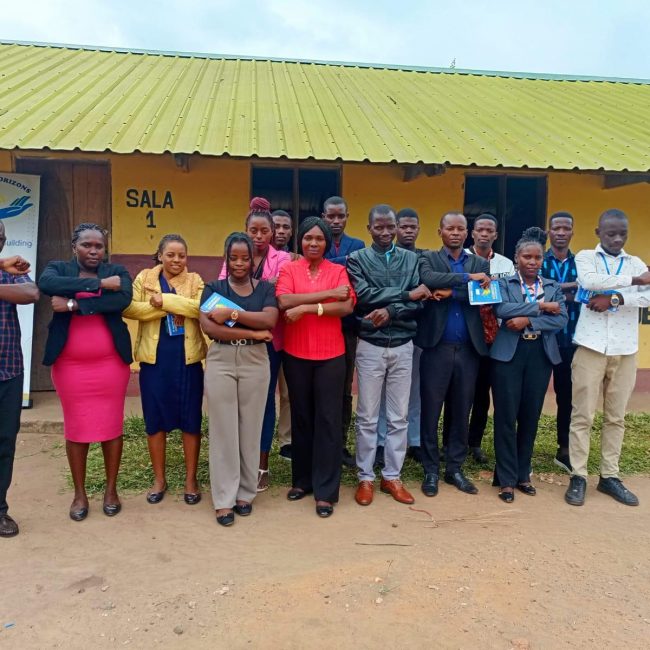
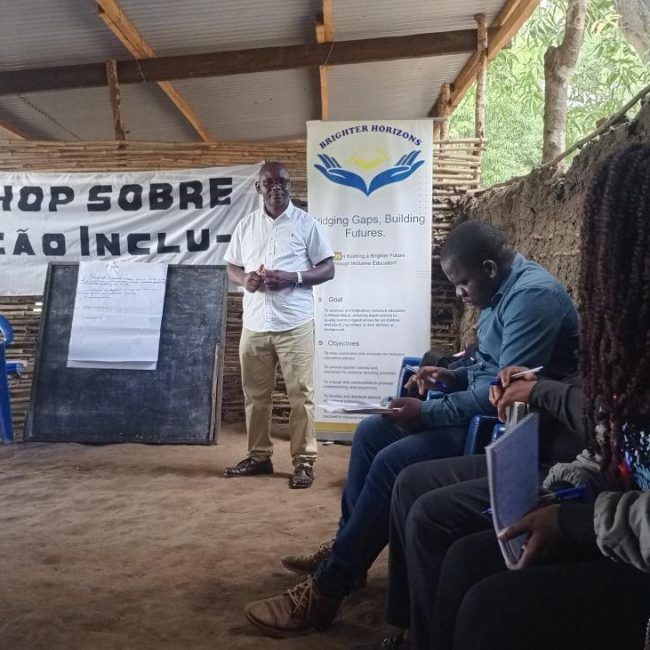
In 2025, Dorothy received an Australia Awards On-Award Small Grant and subsequently launched her community-based initiative titled Bridging Gaps, Building Futures: Inclusive Education Project in Mozambique. The grant supported efforts to address critical gaps in teacher preparedness and community awareness regarding inclusive education in the Nhamatanda district of Sofala Province. The project was implemented across three primary schools between May and June 2025. The project achieved several important outcomes, including:
- Training 45 teachers (28 of whom were women) in inclusive pedagogical practices, identification of students with special needs, curriculum adaptation, and the development of accessible teaching materials.
- Engaging 20 parents and community representatives in a two-day workshop focused on the principles of inclusive education and the vital role families and community leaders play in promoting inclusive learning environments.
Pre and post-training assessments showed a significant increase in teachers’ knowledge and confidence. They also revealed that participating schools had begun implementing awareness campaigns and adopting inclusive teaching strategies, supported by strong leadership commitment and active involvement from community members.
Before receiving her Australia Awards Scholarship, Dorothy worked as a primary school teacher in Beira, Mozambique, teaching lessons aligned with the Cambridge curriculum. She served in private primary schools across Beira’s urban areas, contributing to students’ academic progress and overall wellbeing. Her responsibilities included planning and teaching core subjects, assessing student progress, supporting inclusive education practices, engaging with parents and guardians, and participating in school and community activities.
Working as a primary school teacher made her aware of the challenges faced by learners with diverse needs. She recognised her own knowledge gaps and the need to strengthen her capacity to support them effectively.
“I applied for the scholarship because I wanted to strengthen my capacity to contribute to improving the quality and inclusiveness of education in Mozambique, especially in the public sector. The award offered an opportunity to gain international experience, develop professional expertise, and acquire practical tools that I could bring back to support better educational policies, classroom practices, and community engagement in Mozambique. I saw it as a pathway to empower myself so I could help create more equitable learning opportunities for children in my country,” she adds.
Although Mozambique has strong policies supporting inclusive education, many schools lack the capacity, training, and resources to implement them effectively. As a teacher, Dorothy saw learners with disabilities or additional needs often receiving insufficient support. This gap between policy and practice motivated her to seek advanced knowledge and tools to strengthen inclusive education in her community.
Many public schools in Beira – particularly in urban‑poor and peri‑urban areas – face shortages of teaching materials, assistive devices, and classroom resources. These limitations affect lesson delivery and restrict learner participation. Through the award, she hopes to learn resource‑efficient teaching strategies that improve learning outcomes even in low‑resource environments.
Teachers in Mozambique also have limited access to continuous professional development, especially in specialised areas such as differentiated instruction, special needs education, and modern pedagogy. Dorothy intends to share her new knowledge and expertise with colleagues upon her return, supporting the development of stronger professional capacity across schools and districts.
Advice for prospective scholars
Dorothy encourages future scholars to seek similar opportunities and be proactive in exploring part‑time or casual roles in their areas of interest. She advises them to speak with university support services, career hubs, or academic advisors, who often connect students with local schools and community organisations. Networking with classmates, lecturers, and peers already working in these environments can also open unexpected doors.
She adds: “Scholars should not hesitate to take the initiative, sending emails, expressing interest, and demonstrating a genuine willingness to learn can make a strong impression and increase their chances of finding meaningful and relevant opportunities.”
Beyond practical experience, the role broadened her perspective on the value of inclusive education and the importance of structured support systems. Dorothy observed firsthand how a collaborative, multidisciplinary approach can transform students’ learning experiences and outcomes.
“This opportunity has reinforced my long-term goal of contributing to the improvement of inclusive education in Mozambique by applying insights from Australia. Most importantly, the experience has been personally fulfilling, as it has strengthened my sense of purpose, compassion, and commitment to ensuring that every learner, regardless of their abilities, has access to meaningful educational opportunities,” she concludes.
Connect with us
Any questions?
If you cannot find the answer on our FAQs page, feel free to get in touch by emailing .