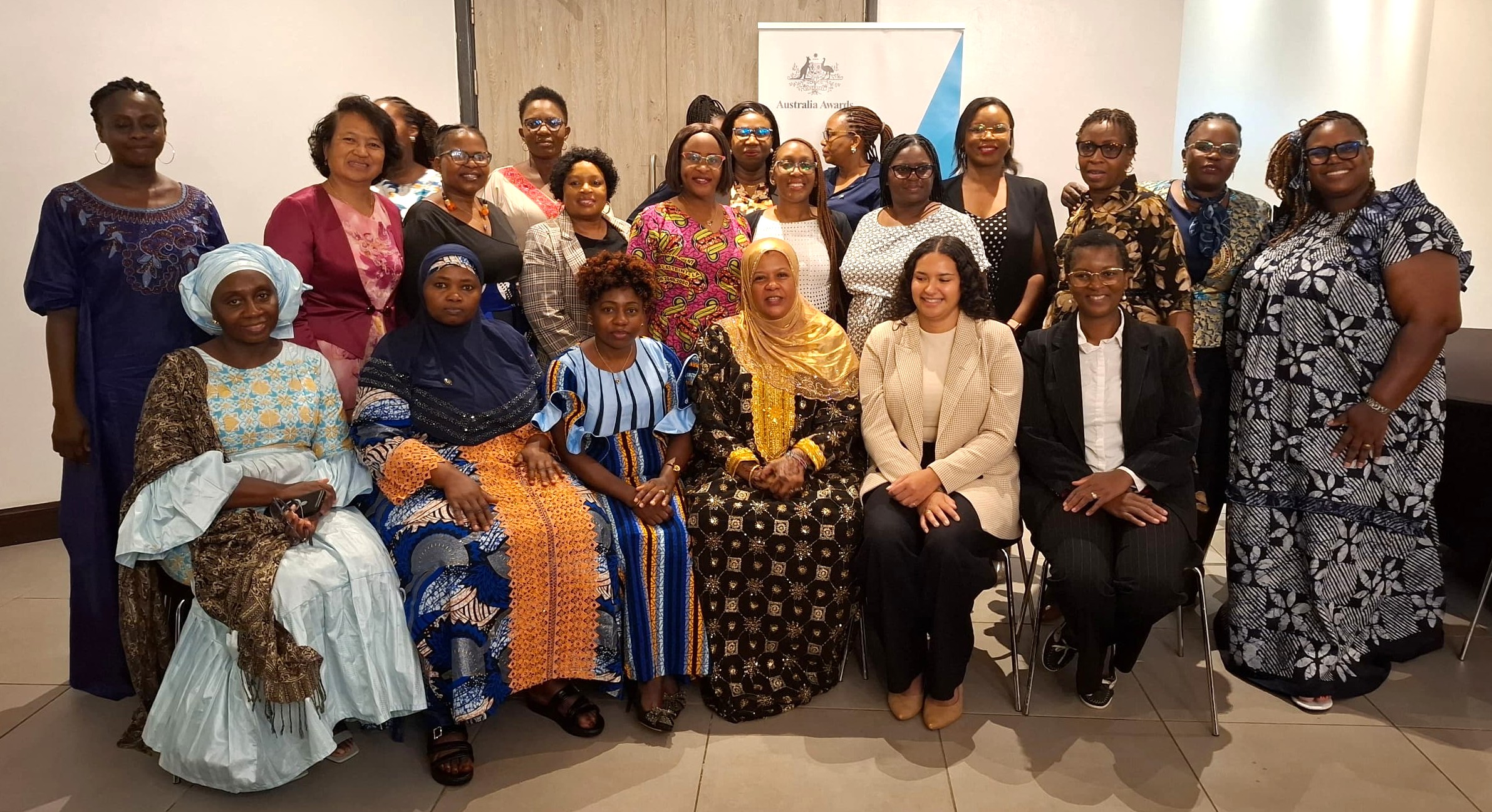
Alumnae representatives from 23 countries gathered in Nairobi, Kenya, for a two-day Women in Leadership Network (WILN) Council Workshop on 24 and 25 April 2025. This event provided a platform for the WILN Council representatives to discuss the successes and challenges since the Council’s inception in Accra in 2024.
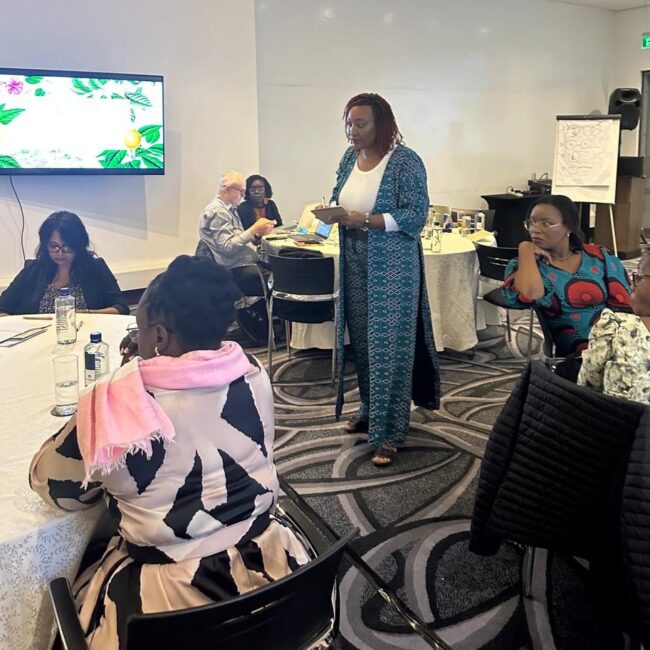
The first day focused on reflection and planning for the upcoming year, while the second day featured capacity-building training by FEMNET, the African Women’s Development and Communication Network. FEMNET is a Pan-African women’s rights, feminist, and membership-based network based in Nairobi, with over 800 members across 49 African countries. The Council representatives revisited the strategic positioning of the Council, its purpose and objectives, approaches, and action plans to activate and progress country-based activities. The Council’s Executive Committee, led by Chairperson Maureen Mwalabu, participated in a planning and reflection session the day before the workshop.
The workshop was officially opened by Ms. Angeli Damodaran, the Third Secretary at the Australian High Commission in Nairobi. In her address, Ms. Damodaran emphasised the Australian Government’s steadfast commitment to promoting equality for women and people with disabilities, stating that women’s empowerment is a core development priority embedded in program management and delivery. She encouraged the alumnae to read the Australian Government’s International Gender Equality Strategy, launched earlier this year.
“Australia’s International Gender Equality Strategy recognises that gender equality is central to DFAT’s work – from foreign affairs and trade to security, development, and humanitarian assistance. The Strategy is the product of extensive consultation with more than 600 stakeholders, including partner governments, civil society, women’s rights organisations, multilateral agencies, private sector leaders, and state security agencies, across Australia and the world,” Ms. Damodaran said. She expressed hope that the learning and networking during the workshop would inspire and equip the Council members to explore key issues and challenges, including barriers to gender equality and their role in addressing these issues. She challenged the WILN Council to take decisive action and make tangible commitments during the workshop.
Nancy Biwott, the Australia Awards Africa GEDSI Manager, and DC Jacobs, the Alumni Engagement and Communication Manager, led discussions and motivated the alumnae to become more active and rally WILN alumni to implement various country-based activities. During the workshop, delegates reflected and developed new action plans on three levels: as a WILN Council, in terms of the activities of the various Council working groups, and in terms of the various WILN country chapters which Council members represent.
The Pan-African Council plays a crucial role in ensuring that all WILN country chapters work towards the same goals. It provides opportunities to share best practices and serves as a platform for networking across all country chapters. The network aims to facilitate alumni discussions on development issues in their countries and promote the sharing of inter-Africa experiences and solutions. The Council’s purpose is to provide a platform for individual chapters to network and engage across the continent, share best practices and lessons learned, leverage a wider WILN, and revitalise WILN country groups across Africa.
The workshop concluded on 25 April with commitments from every representative regarding their actions over the next few months.
Connect with us
Any questions?
If you cannot find the answer on our FAQs page, feel free to get in touch by emailing .